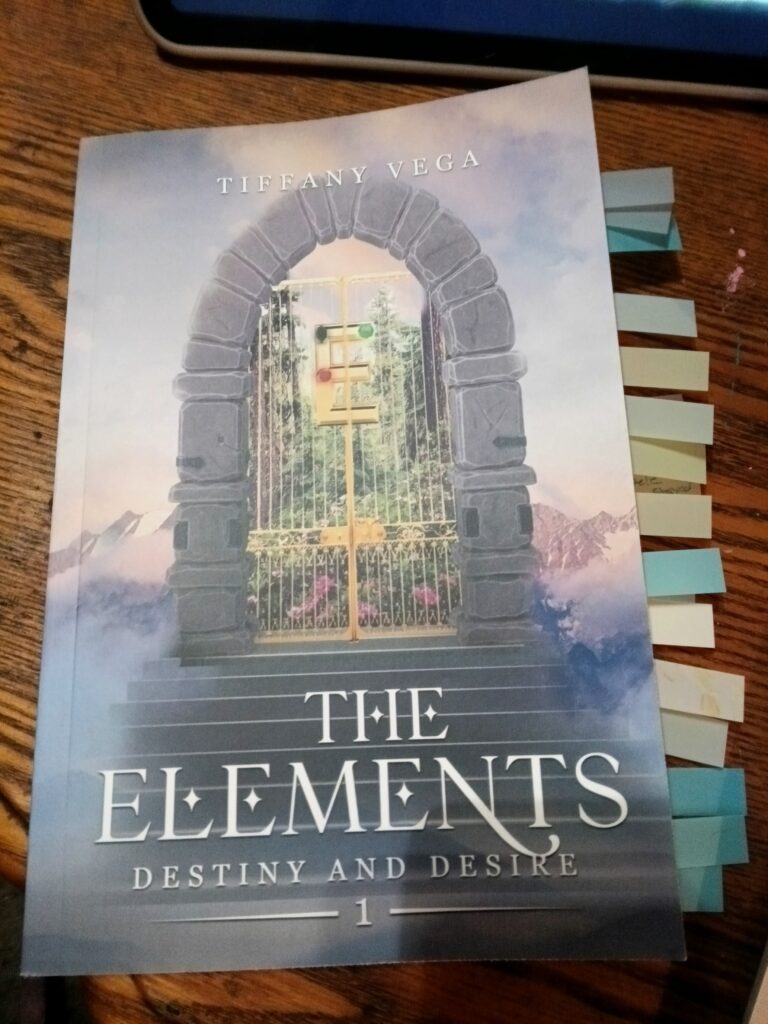
We all imagine writing a series will feel like falling into a world that loves us back.
Characters who grow with us.
Plots that unfold with cinematic clarity.
Readers who devour each book and beg for the next.
And while some of that does happen… a lot of the truth sits quietly behind the curtain.
Because writing a series is beautiful.
But it’s also chaotic, complicated, exhausting, and deeply emotional in ways no one warns you about.
So here it is—the truth every series author learns the hard way.
1. Book One is the easiest… even when it feels impossible
Book One gets all the attention because it’s the beginning, the spark, the love affair.
But the reality?
Book One is freedom.
You’re discovering the world, the characters, the stakes.
You don’t know enough yet to overthink it.
You’re not juggling timelines, continuity errors, or reader expectations.
Book One is the honeymoon phase.
Book Two?
Book Three?
Those are where you find out who you are as a writer.
2. The pressure grows with every book—even if your audience is small
The moment you publish book one, you lose one thing forever:
Silence.
Now there are eyes on the project—
readers waiting, guessing, hoping, analyzing every clue you dropped (including the ones you didn’t mean to drop).
Even five readers can suddenly feel like five hundred when they’re excited.
And you start to think:
- Did I set up the right things?
- Did I foreshadow too much? Not enough?
- Should that side character get their own arc?
- What if I ruin everything in the next book?
It’s a strange mix of joy and fear.
A kind of creative stage fright.
And it never fully goes away.
3. You will forget your own details—and your readers will not
Writers joke about keeping a series bible.
But it’s not a joke.
By book two or three, you will absolutely forget:
- An eye color
- A middle name
- A throwaway line that accidentally became canon
- A map direction
- A rule of magic
- A side character you mentioned once and never again
Meanwhile, your readers will remember everything.
They will quote back lines you don’t recall writing.
They will ask questions you never thought of.
They will connect dots you didn’t know existed.
It’s both humbling and terrifying.
4. Characters grow differently than you planned
You start a series with a vision.
But characters are living creatures by book two.
You know them better.
They surprise you.
They make choices that don’t fit your original outline.
They outgrow your plans.
Sometimes you’re rewriting plotlines not because they aren’t good,
but because your characters have evolved in ways you didn’t predict.
This is wonderful for storytelling—
and infuriating for deadlines.
5. Your worldbuilding becomes a second full-time job
With each book, your world gets bigger:
- New locations
- New magic
- New political systems
- New histories
- New side characters
- New rules that change how old rules work
And you have to keep it consistent.
Readers don’t care if it took you two years to write a book—they read it in a weekend.
So continuity errors stand out like neon signs.
This is where worldbuilding becomes maintenance.
And maintenance becomes a beast.
6. You change as a writer faster than your series can keep up
By the time you’re writing book three, you’re not the same writer who wrote book one.
Your prose is stronger.
Your instincts are sharper.
Your style has matured.
This creates a surprising emotional struggle:
You want to rewrite the early books.
You want to fix everything you didn’t know to do right the first time.
But you can’t.
You have to keep moving forward, trying not to cringe at past-you while honoring her work.
That’s growth.
And it hurts in a good way.
7. Readers pick favorite characters—and it affects you more than you expect
You think you’re prepared.
You’re not.
Reader reactions hit differently when it comes to a series:
- When they hate a character you love
- When they adore a character you never planned to spotlight
- When they ship the “wrong” couple
- When they predict twists you thought were secret
- When they beg for spin-offs before you even finish the main arc
You learn very quickly that readers and authors fall in love with different parts of the story.
And that’s okay.
It means the world is alive.
8. Middle books are the hardest thing you will ever write
Book Two is an endurance test.
Book Three can feel like a trap.
They must:
- keep momentum
- raise stakes
- deepen arcs
- expand the world
- not feel like filler
- not feel like setup
- not contradict book one
- not spoil book four
- not create plot holes
It’s like trying to build a bridge while walking across it.
And if you manage to pull it off, you should take a victory lap.
9. Endings hurt—even the happy ones
No one warns you how emotional it is to end a series.
It feels like:
- moving away from home
- graduating
- leaving friends behind
- saying goodbye to a version of yourself
Even if the ending is joyful, the loss is still there.
You’ve lived inside these characters’ heads for years.
Closing that final chapter is like closing a chapter of your own life.
Readers feel it.
But writers feel it ten times more.
10. Despite all of it… you’ll want to do it again
Because here’s the truth:
Writing a series isn’t just storytelling.
It’s relationship-building—
with your characters, your readers, your world, and the writer you’re becoming.
It’s messy, magical, chaotic, tiring, exhilarating work.
And once you’ve tasted what it’s like to live inside a world for years…
You can’t help dreaming up the next one.